I am a social entrepreneur and social change strategist based in New York City.
My journey to this point has been winding: from running operations for a small NGO in Zambia to supporting London charities representing LGBTQ+ people with intersectional identities. I stumbled upon social enterprise in 2008 and started my own entrepreneurial venture four years later.
My career has been the pursuit of the optimal vehicle for social progress. Perhaps there isn’t one. I’ll keep looking all the same.
I became a Clore Fellow in 2013 and was named one of Britain’s 50 New Radicals by The Observer newspaper. I am also a Fellow of the Royal Society of the Arts.
I moved to Brooklyn in 2021 where I now do strategy consulting for social justice groups. I am also working on my first book.
In 2012, I founded Year Here, a fellowship in social innovation in London.
Over ten years, the Year Here Fellowship challenged 276 entrepreneurial people to spend a year testing and building smart solutions to entrenched social problems.
Collectively, this group worked with over 100 paying clients—from small care homes and homeless hostels to the European Union—and launched 50 social ventures.
In 2022, Year Here closed its doors to new Fellows but continues as a powerful movement of leaders resisting the scourge of inequality in the UK through entrepreneurship, collective action and advocacy.
This is where you start
Saul Alinsky once wrote "This is the world as it is. This is where you start”.
Widely recognised as the founder of modern community organising, Alinsky taught us that the struggle for social justice starts with getting alongside oppressed people as equal partners.
Social change happens with people—not to them, for them, or at them. Innovation shouldn’t start in an ivory tower, it should start with empathy and insight.
This idea sits at the heart of Year Here.
Fellows in the Press

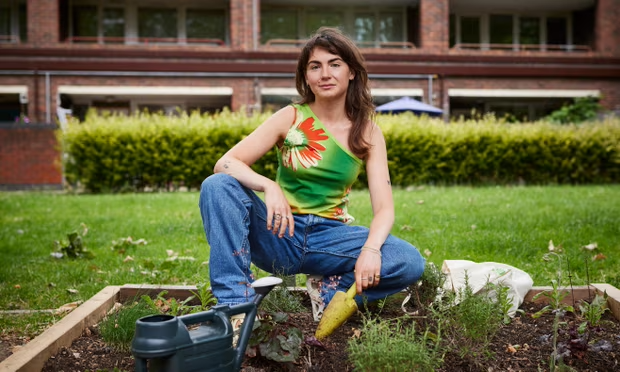
In the late 1980s the words BOYCOTT SOUTH AFRICA were etched on the back of the ruler in my pencil case.
I can’t have been older than six, with a hazy idea of what the words meant.
But my social justice foundations were being laid—at home, by family.
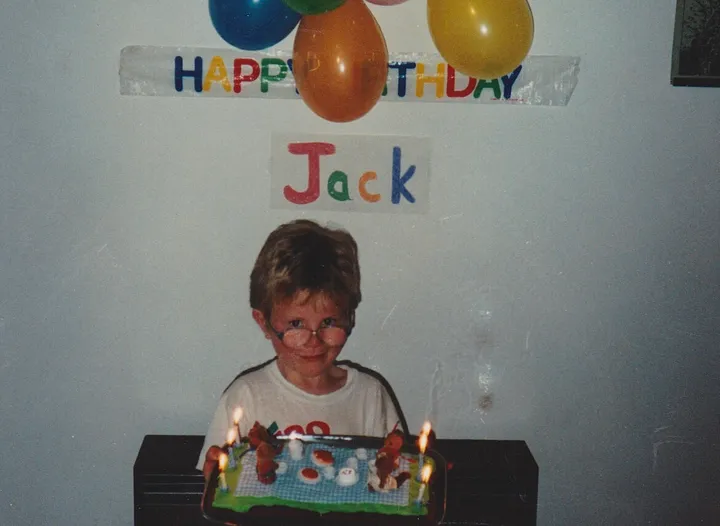
I find the roots of my drive for social progress in my maternal bloodline.
My grandmother, born in Belfast in 1912, was a doctor. The last of her four children, my mum, arrived in 1948. She was born with a left arm that hadn’t grown beyond the elbow. The doctors didn’t give any explanation; these things happen. My grandparents dealt with their daughter’s disability without any ado. They took the ferry to Liverpool and a train on to London to get Mum fitted with a prosthesis.
In the late 1950s, expectant mothers were prescribed a new drug, Thalidomide, for morning sickness. In the months after, thousands of mothers miscarried and thousands more gave birth to babies with limb deformities. Families were angry that this dangerous drug had been offered to them, apparently without due testing. They also had an overwhelming amount to learn about how to parent a child with significant disabilities.
With a medical degree and personal experience of raising a child with hypoplasia, Granny put herself forward to find Northern Ireland’s Thalidomide babies and make sure they had the right support. She packed the family car with medical supplies, public health leaflets, a thermos of tea and some sandwiches—plus Rocky the dog for company—and hit the road. She eventually found all the Thalidomide families in Northern Ireland.
Granny kept up her visits for over a decade, as The Troubles kicked off in Ireland. She had to negotiate with vigilantes to get into neighbourhoods that were considered ‘no go areas’. As the Thalidomide babies became teens, she attended panel meetings in Belfast where their support packages were reviewed. She was invited to their weddings. When she died in 2011, our family received condolences from Thalidomide adults, then in their middle-age, from all over the country.
My mum, in turn, saw social needs and stepped up to fulfil them.
After meeting my dad at university in Dublin, she moved to London and qualified as a social worker. In the mid 1970s, while expecting her first child and working for social services in Bath, she pitched an idea for a new role to her General Practitioner: a social worker-in-residence based in doctor’s surgeries. Through her work with the council, she had seen the need for social work and talking therapy in primary care settings. And she was up for doing the job. Her GP found the money and Mum got started.
After writing an article for the Royal College of General Practitioners about her unique job, doctors across the country got in touch saying ‘this is great, we want one’ and the idea swiftly spread nationwide.
I am perhaps a little more conspicuous, a little less humble, in my social justice work than these two women were. I’m going to put that down to being male, British and millennial. But I know that my inclination towards social problem-solving was bequeathed to me by my mother and her mother, two quiet pioneers of progress. They are my roots.
Blog posts
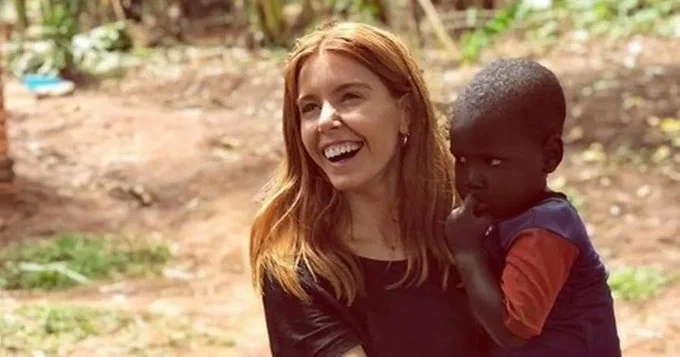
Go Home, You’re Not Saving Anybody.
On my experiences in international development and the shame of white saviourism.

Welcome to The Garden of Possibility.
On the crippling imposter syndrome I faced when I was starting my own organisation.
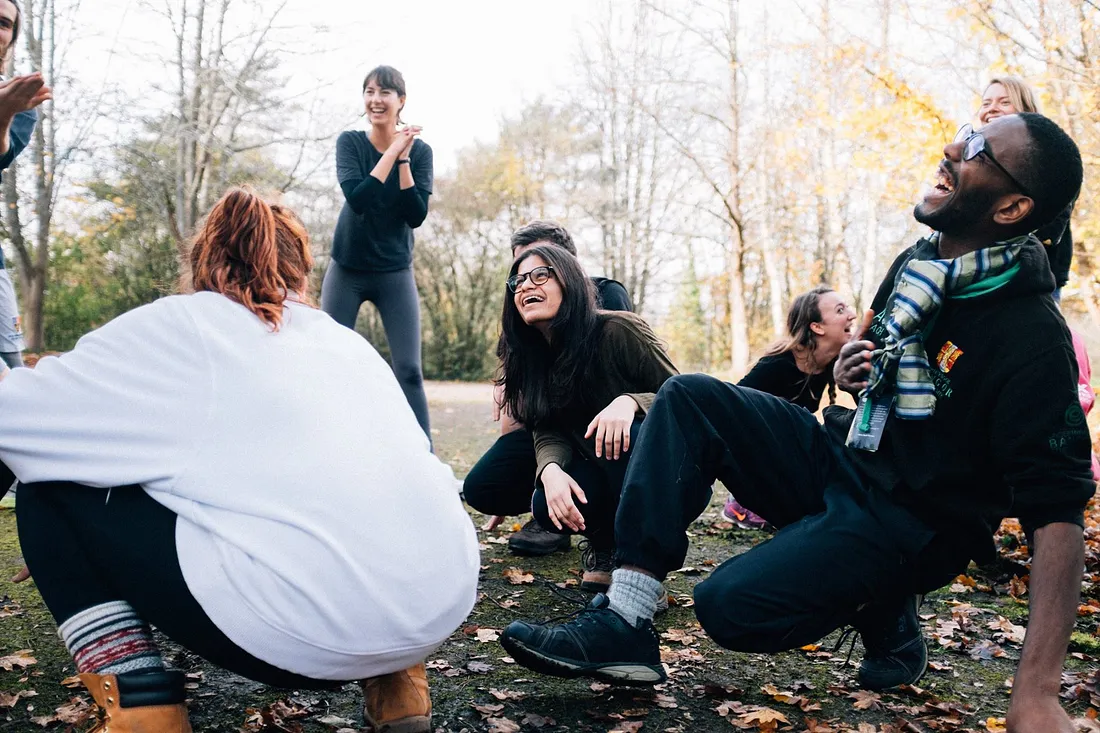
On the 8 years from founding Year Here to announcing my plans to step down as CEO in 2020.